True or false games are a weird mix of simplicity and confusion. You guess, you decide, but sometimes the answers are so wonky it makes your head spin. It feels like a guessing game that can get frustrating fast. Still, there's something addictive about trying to outsmart the game with minimal effort.
Last Updated:
true or falsegames Gameplay: The Ultimate Beginner’s Guide and Walkthrough
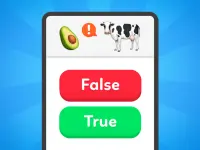
Playing true or false games is pretty straightforward but tricky at times. The neat part is how simple the mechanics are. Still, the physics can be wonky, and some questions are designed to trip you up. It’s mostly about quick thinking and second-guessing everything you see or hear.
true or false games Best Builds and Character Loadouts for Pro Players
In true or false games, there’s no real build or loadout to worry about. Instead, it’s all about your mental setup. Practice makes perfect, and knowing common trick questions helps. No fancy gear needed, just sharp eyes and a quick mind to keep from getting annoyed by the confusing questions.
4 Essential true or false games Tips and Tricks to Level Up Fast
A secret trick is to trust your gut but double-check if the question seems suspicious. Sometimes, the obvious answer is wrong. Don’t get stuck too long on one question. Moving quickly is key, and taking a mental break helps keep your mind sharp for the tricky ones.
true or false games Full Walkthrough: Complete Story and Ending
Most true or false games don’t have a story or ending. They’re just about answering questions correctly. Sometimes you get a score at the end that shows how many you got right. It’s more about beating your own record than reaching some final conclusion. Still, it can be annoying when the questions seem designed to trick you on purpose.
True or false Tips for true or false
Discover how to master the game true or false, a fun and challenging girls game where players test their knowledge by quickly deciding if statements are true or false. This guide offers tips and insights to help you improve your skills and enjoy the game fully.